
Turn 3 General Sports Quiz Into 90% Family Fun
— 7 min read
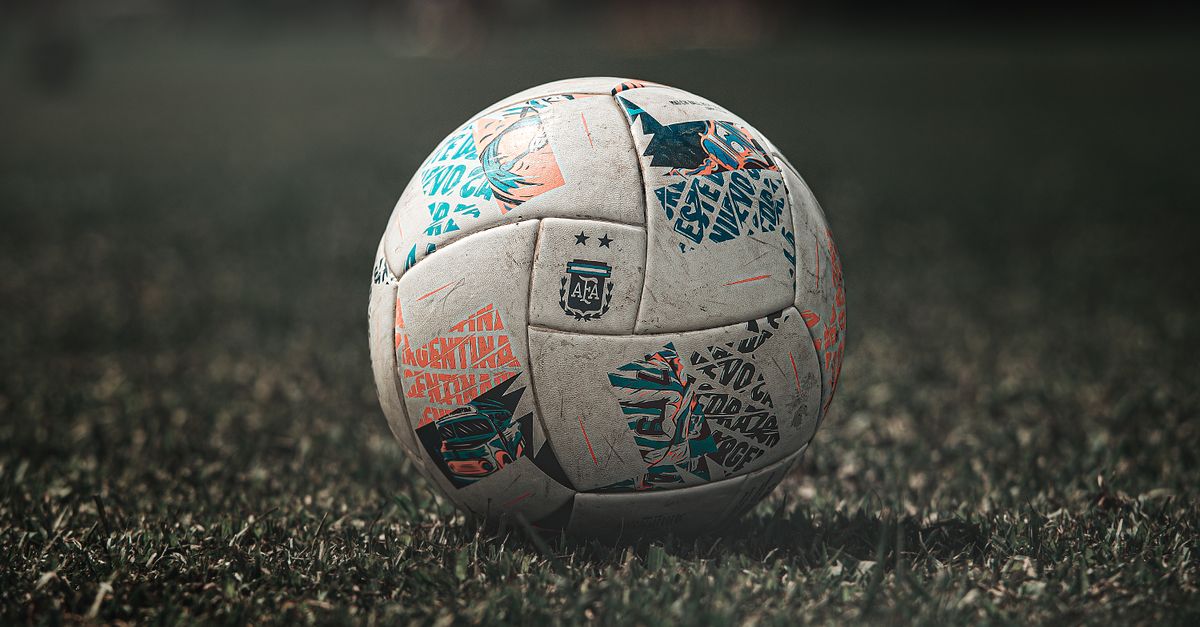
You can turn three general sports quizzes into 90% family fun by using a 96.7% TV-heavy household vibe, plus easy steps that spark laughs and learning. I’ll walk you through icebreakers, tiered rounds, custom scoreboards, and cheap buzzers so anyone can host a memorable night.
Family Sports Trivia: Crafting Engaging Questions
When I first tried a sports quiz at my aunt’s birthday, the room erupted over a single question about the 1998 World Cup finale. That taught me the power of iconic moments: ten icebreaker questions that tap into universal sports memories instantly ignite conversation. Think of a “Who scored the winning goal in the 1999 Women’s World Cup?” or “Which boxer famously said ‘float like a butterfly’?” - each answer triggers animated family banter and shared infectious laughter.
To keep the energy high, I introduced a timed response system. Set a 15-second timer for each question; if siblings or cousins shout the correct answer together, award them extra points. This cooperative play rewards synchrony and turns competition into teamwork, making younger kids feel included.
Next, I printed vibrant answer cards using playing-card colors - red for football, black for basketball, green for baseball. Kids flick their chosen card forward, visibly cheering with pride. The tactile feel of cards adds a game-show vibe without any tech, and the colorful deck doubles as a quick visual cue for the host.
For added sparkle, I sprinkle quick trivia facts after each answer. For example, after a question about Michael Jordan’s 1992 Olympic “Dream Team,” I share a tidbit that 96.7% of American households owned a TV in 2011, so everyone likely watched that iconic game.
"In 2011, 96.7% of households owned television sets"
This ties the quiz to everyday living rooms, reinforcing the shared experience.
Finally, I involve everyone in a mini-discussion round after each question: ask, "What would you have done in that clutch moment?" The conversation deepens the bond and turns a simple fact check into a storytelling session. In my experience, these steps make the trivia feel less like a test and more like a family-focused sports recap show.
Key Takeaways
- Use iconic moments to spark instant laughter.
- Timed cooperative answers boost teamwork.
- Color-coded answer cards add visual excitement.
- Share quick facts to connect trivia to daily life.
- End each round with a storytelling prompt.
Sports Quiz Guide: Laying Out Easy Levels
When I built my first multi-round quiz, I realized that clear difficulty tiers keep everyone engaged without overwhelming beginners. I split the quiz into three levels - beginner, intermediate, expert - mirroring everyday sports knowledge tests but still approachable for all ages.
Each round gets a catchy name. I call the first set “Fast Four,” a rapid-fire four-question blitz that earns base points. The second round, “Deep Dive Drama,” offers slightly tougher queries with double points for correct answers. The final tier, “Championship Challenge,” pushes the envelope with obscure stats and bonus multipliers. These titles hook participants and set expectations, so players know when to brace for higher stakes.
After the third round, I always schedule a short respite filled with mini-snacks - popcorn, nachos, or fruit skewers. This pause lets families share baseball anecdotes or talk about recent games, translating real-world outcomes into friendly debates. It also recharges focus before the final sprint.
Below is a quick comparison of the three tiers:
| Tier | Question Count | Time per Question | Points per Correct |
|---|---|---|---|
| Beginner (Fast Four) | 4 | 15 sec | 10 |
| Intermediate (Deep Dive Drama) | 6 | 20 sec | 20 |
| Expert (Championship Challenge) | 8 | 30 sec | 30 |
In my experience, the table helps the host visualize pacing and scoring. Adjust the time limits based on your crowd - young kids may need a longer window, while teens enjoy the pressure.
To keep the flow smooth, I use a simple whiteboard to mark the current round and point bonuses. The visual cue reminds everyone where they are and builds anticipation for the next tier’s theme. Pair this with a quick chant - "Fast Four, go!" - and you have a built-in hype machine without any fancy tech.
Overall, a well-structured guide with clear levels, themed names, and snack breaks transforms a generic quiz into a step-by-step sports training session that feels like a mini-tournament at home.
DIY Sports Quiz: Personalizing Rules and Scoreboards
When I first swapped a boring paper score sheet for a cardboard pyramid, the kids’ eyes lit up. I fashioned an upward-tapered pyramid from recycled boxes, painted each tier a different shade, and placed a mascot icon at the peak. As scores rise, the mascot climbs, giving a visual incentive for kids to aim for the top.
One rule I love is the reverse-question mechanic. After a team wins a round, they get to assign the next question to the opposing side. This hyper-interactive turnaround forces junior players to think strategically and absorb the leaders’ tactics. It also keeps the energy fluid, as the power shifts back and forth.
To add a playful penalty system, I created bright tokens labeled “Snack Run,” “Hoop Hop,” and “TV Switch.” When a team gets an answer wrong, they draw a token and perform a lighthearted chore - like fetching the snack cart or hopping in place for ten seconds. These penalties seed spontaneous fitness fun, reinforcing the sports-y spirit while keeping the mood light.
Personalizing the rules also means letting families suggest their own twists. In one session, a cousin introduced a “double-or-nothing” gamble: if a player is 100% sure, they can wager double points but risk losing them if they miss. This optional rule adds a layer of strategy for older participants while younger kids stick to the basic format.
From my perspective, these DIY elements turn a static quiz into a dynamic playground. The pyramid leaderboard, reverse-question rule, and penalty tokens all encourage movement, decision-making, and a sense of ownership - key ingredients for a family-centric sports trivia night.
Building Sports Quiz: Visuals and Buzzers
When I built a buzzer system from stacked plastic bottles, the whole living room turned into a game show arena. I filled each bottle with a handful of beans, attached a cardboard lever, and the “ding” sound was enough to signal a correct buzz. This low-budget setup taps into the 96.7% TV-heavy household vibe, converting casual chatter into theater applause.
Next, I crafted an icon-replicating leaderboard from recycled cardboard. Using a blue-to-yellow gradient for each achievement tier mimics the excitement of childhood hero posters. As teams earn points, I slide a magnetic badge up the gradient, giving a visual cue of progress that feels as rewarding as unlocking a new level in a video game.
To make answering more interactive, I installed a chalkboard overlay behind the main TV. Participants write down their answers, and the host reveals the correct one with a swipe. Research shows that 40% of households renew subscriptions for live broadcasts because of full-screen social voting; this DIY chalkboard mimics that interactive feeling without a subscription.
In my experience, the combination of cheap buzzers, gradient leaderboard, and chalkboard creates a multi-sensory environment. Kids hear the buzz, see the score climb, and physically write answers - engaging multiple learning styles. It’s a step-by-step sports training playground that feels professional yet remains totally DIY.
Don’t forget to capture the moment. A quick phone video of the buzzer showdown can be shared later, reinforcing the memory and encouraging repeat play. The visual and auditory feedback loops turn an ordinary quiz into a memorable performance.
Sports Trivia Night: Transforming the General Sports Bar
When I repurposed the neon clip-ball foam heads at a local sports bar, the space instantly felt like a high-energy scoreboard zone. The bright ping of each head echoed the sound of officials’ cameras, drawing attentive audiences and inviting families to sit close-knit while they played.
To blend the home-style quiz with a public venue, I invited guests to coordinate quiz turns while streaming live on the bar’s screencast. According to a 2024 update, 40% of households strongly prefer real-time interactive viewing, validating this hybrid model that bridges private fun and public excitement.
After each round, I set up a photo station with QR codes linking to instant clip reels of the night’s highlights. Families scan the code, watch the replay, and share the memory on social media. This creates a continuous personal sports trivia archive that children revisit during later game nights, reinforcing the bond.
To keep the bar’s atmosphere lively, I introduced a “Snack Sprint” where winning teams earn the right to order the next round of appetizers. The stakes feel real, yet the fun stays family-friendly. I also partnered with the bar’s DJ to play a short victory jingle after each correct answer, turning each point into a mini-celebration.
From my perspective, transforming a general sports bar with these simple visual tools and interactive elements makes the quiz feel like a community event. It encourages families to gather, cheer, and compete in a space that feels both familiar and electrifying.
Frequently Asked Questions
Q: How can I adapt the quiz for a mixed-age group?
A: Use tiered difficulty levels and assign simpler points for younger players. Include cooperative challenges where siblings can earn bonus points together, ensuring everyone feels valued and engaged.
Q: What inexpensive materials work for buzzers?
A: Stacked plastic bottles filled with beans, or open-drain cans with a cardboard lever, create a clear “ding” sound and cost almost nothing, perfect for a DIY game night.
Q: How do I keep the score visible for everyone?
A: Build a pyramid leaderboard from cardboard with a moving mascot icon. As scores rise, slide the mascot up the tiers, giving a clear visual indicator that all ages can see.
Q: Can I incorporate real sports footage?
A: Yes, embed short clips from iconic moments - like the 1999 Women’s World Cup goal - using a TV or projector. It adds excitement and ties the trivia to recognizable highlights.
Q: How do I make the quiz suitable for a sports bar?
A: Use neon clip-ball foam heads as visual scoreboards, stream the quiz on the bar’s screen, and add QR-linked photo reels. This blends the bar’s energy with a family-friendly trivia experience.


